Curriculum
“The curriculum is merely a vessel to teach skills”
Shemford Futuristic School follows NCERT syllabus. As per the direction of Central Board of Secondary Education our school follows the periodic assessment (PA) Term-I and Term-II pattern for grades from I to X.
“In learning you will teach and in teaching you will learn”
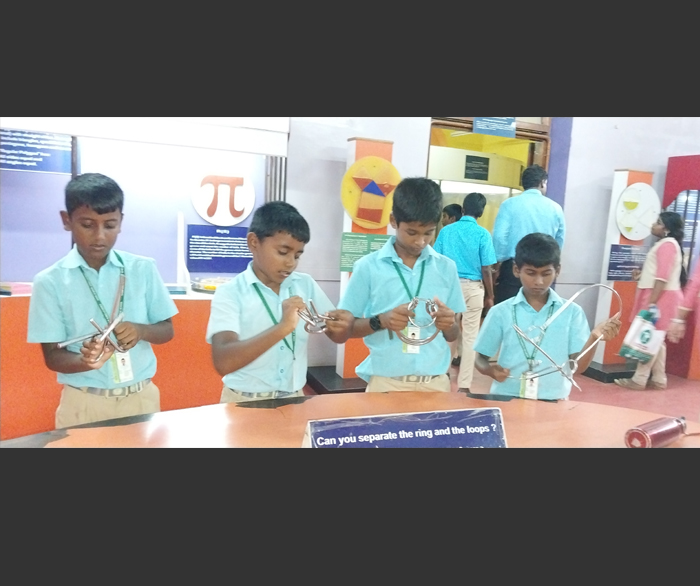
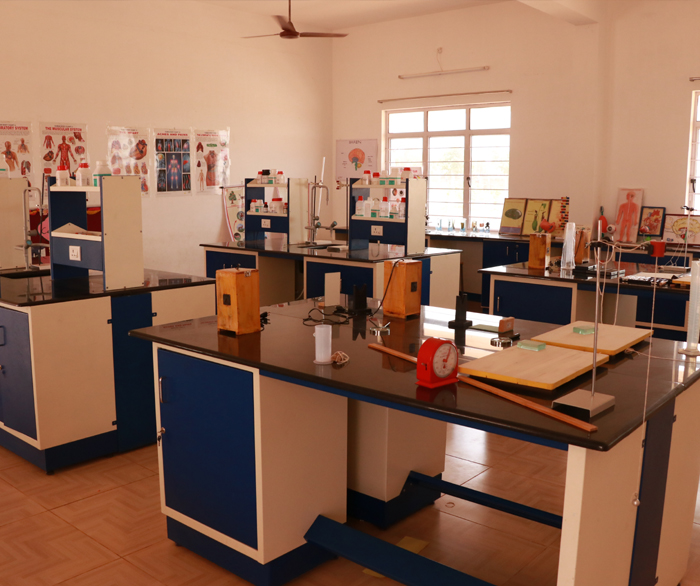
The school drafted a special, unique curriculum with a touch of technology along with regular curriculum like learning through activities MIT (May I Teach), Experiment, Metacognition and Google class room which are valued and assessed by grades.
“Children have the innate ability to learn and inborn sense of how they learn best”
It spins off its indigenous full curriculum into distinct and personalised syllabus.
“It is not the strongest or the most intelligent who will survive but those who can adopt to change”
Opportunities are provided to participate in Olympiad exam (Maths, Science & English) and conducted various club activities such as Eco-club, Heritage club, Alpha club, Aryabatta club etc., The co-curricular activities focus on Spoken English coordinated with phonetics. It also stresses communication skill by giving separate phonetics, accent training classes by using smart boards.
“Every thought we think is creating our future”
Shemford offers a very good environment and platform for the kids to make creative cherries in their learning. They also learn by hands on learning of the sensory education and collaboration play by teaching through Montessori method.
It gives equal opportunities to experience the content related themes and understand relationship between different concepts.